Table of Contents
Introduction
The fact that trim layered hair has the capacity to provide your appearance with movement, volume and dimension is the only variation with layered hair presented, which leaves the hair as one of the most versatile at any given period of time. But, beautiful as layers are, to keep in condition and be healthy, they have to be well kept. The layers can get messy, flattened with time due to split ends, tangles, and varing lengths.
At this stage we have to make regular trims. Trim Layered Hair: not just have your hair trimmed, but you are maintaining the health, feel and the overall appearance of your layers.
This guide will explain how often you should trim layered hair, how to understand when you should trim and what the professionals will advise on how to maintain the maximum healthy layers of hair without necessarily having to trim the hair. No matter whether you are the hair expert or you have just started with the layered styles, this tutorial will equip you with planetary hair anytime you feel like showing off all over the world.
Understanding Layered Hair

The layered hair is not merely a hair cut, but a technique in the art of style that provides your hair with volume and movement as well. Layered in opposition to a blunt cut where the strands used are of same length a layer is achieved by cutting the hair to varying lengths on the head. This construction enables natural movement of hair providing it with volume and texture, with emphasis on facial features.
The Modulation in Structuring, Texturing, and Styling Effect on What Makes Hair “Layered?” Sometimes, The Structure, Texturing, and Styling Effect
The strata affect a lot in the appearance of hair and the activity of hair. The main differences are:
- Hair: Cut in different lengths, so that it will reduce the volume in thick hair, or to make thin hair thicker.
- The texture: There can be placed layers to add to the natural waves and curls and make the hair alive and tender.
- Styling Effect: Layers that enable a more adaptable mode of styling. Wave or curloverly curly, layers provide the hair with structure and motion as compared to a cut in one length.
Layered Hair Pros: Exudes Volume and Movement, and is Stylingly Versatile
Hair-layering has a range of benefits which have made it a popular choice:
- Added Volume: Hair is pulled away to make hair on a head to give the impression of a fuller hair to a thin or a fine hair.
- Better Movement: The disproportionate sizes do produce natural flow and bouncing and hair appears to be active and healthy.
- Styling Experimentation: Most common is the styling technique of using different looks that can be achieved through taking layers; using braids, pony tails, waves and updos can all work well with the texture that layers can provide.
Issue: Reasons Why Layers should be left in Special Care To avoid Split Ends and unequal Lengths
Layers do not resist destruction since they take into account several length of a cut as compared to blunt cuts. Without regular maintenance:
- The ends parted would slide along the strand of hair resulting in frizzy hair and split ends.
- The uneven layers may get more prominent with time giving the impression of a disheveled haircut.
- Hair may lose shape and the strands will flatten instead of the natural shape of rearing and swinging.
Layered hair should be taken care of properly, trimmed accordingly so that it is healthy, voluminous and in style.
Layered Hair:What is the frequency of doing it?

The trick to whether and how frequently one should have their hair trimmed is the secret behind having healthy and in-shape layered hair. Not only cosmetic, haircutting helps to avoid damages to hair, and therefore, helps to keep the layers fresher in character.
Expert Vs. Non Expert Treatment Every 6-8 weeks or Every 10-12 weeks
Most hair professionals recommend to cut the layered hair after 6-8 weeks since your hair could easily be split or when you have thin layers. Every 10-12 weeks would be sufficient with more robust or slower growing hair. Frequent trims will also help in avoiding split ends, and will aid layers in maintaining the desired shape and volume.
Symptoms It’s Time to have a Trim: Split ends and Tangles, Shape loss, Frizzy
Although not in the date on the calendar, there is certainly some cause to make you consider losing some weight:
- Split Ends: Splits on the ends which can cause hair to appear unhealthy.
- Tangles and Knots: Layer of the rope and the end become easier to knot up in the event of a damaged end.
- Other changes: Hair starts to look flat or non uniform and layers get mixed.
- Excess Frizz: Broken ends can cause certain frizz, which can not be entirely controlled using styling products.
Straight, Wavy, Curly, Thick and Thin Hair: these are some of the Hair types that have different requirements
- Straight Hair: The split ends can be observed more; it can be subjected to make more frequency cuts between 6-8 weeks.
- Wavy Hair: Layers are used to make the waves more and it must be cut out to remove excess, and bad texture.
- Curly Hair: Curly layers become shorter as they become long; a normal cut makes the curls stay put, and reduces chances of entangling.
- Thick Hair: Left to grow longer between hairdressing but hairdressing can be done to provide loosening of the weight and keep to keep the hair bouncy.
- Thin Hair: Requires a good trimming so as not to lose the volume or appear too thin.
By just knowing what type of hair you possess and how to check on any type of damage that could be occurring will guarantee you that you are having the right number of layers on your hair (healthy, lively, and styled), and that your hair is certainly beautiful, bouncy, and shiny.
Check Out: Layered Long Haircuts: Gorgeous, Dimension-Enhancing Styles That Transform Your Look.
Home vs Professional Hair Cuts: How to Cut Your own layered Hair
It is a science and art to wear layered hair. Despite some benefits of doing small trims at home, benefits of an evident nature to having a professional trimmer, particularly in matters of precision and long term health of the hair, are still evident.
Professional Cuts: This has to do with the accuracy of a Stylist in cutting up layer
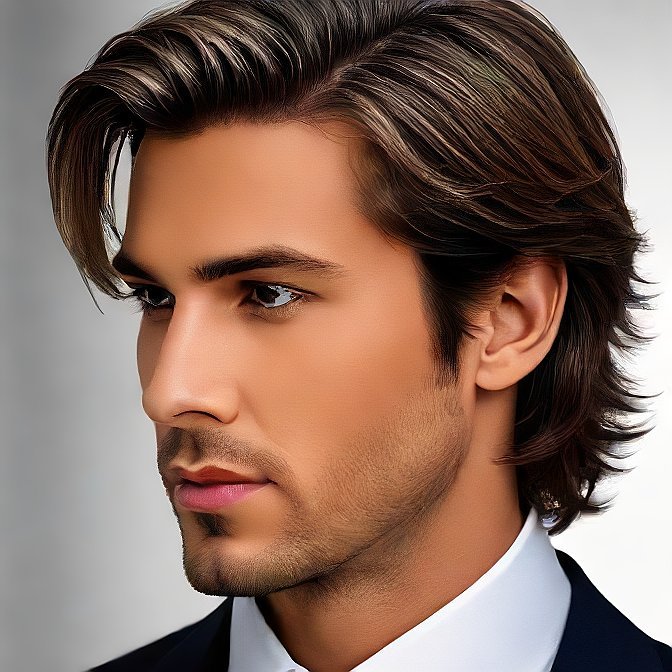
The movement and volume require the hair to have some angles and lengths in order to have the hair layered. An effective stylist would make sure:
- Even Layers: The layers will be cut at right angle so as to mix with others.
- Tailor shape: The layers can be tailored to your face shape, hair texture and lifestyles by the stylists.
- End Repair: Professionals are able to repair split ends without causing any loss in length or changing the desired style.
Visit to a salon could be time consuming and ensures a sleek finish difficult to accomplish at home.
Do It Yourself trimming tips, tools, sectioning, and Safety Tricks
The following are tips that you can adopt that belong to the professionals and can help you trim at home in case you desire to trim:
- Have the Right Tools: You will require the sharp hair scissors, fineteenth comb, hair clips and mirror. No scissors, ordinary may destroy hair.
- Section Hair in Type: Part hair into strands: top, middle, bottom. Add marking the parts which you are not trimming to ensure that it is not inaccurate.
- Bites at a time: slice into bits. You can cut him, but you can never grow again.
- Angle Matters: Trim at small angles to retain the layered effect particularly at end of textures.
- Symmetry Check: it is always important to check the symmetry on each side of the mirror.
Mistakes to be avoided
A small error will have a lot more serious impact on the look of your layers. Avoid:
- Excessive Trimming: When the excess length is removed, it produces a flattening of the layers making them artificially bright.
- Layers: This should always be cut by section and not irregularly and length may either be jagged or uneven.
- Trimming Chewily Close: This may result in messy growth of the hair and spoiling the general structure.
Providing Healthy Layers in between Trims
It is well to be whitened, and still your layering must be taken care of, or retain their cold and figure. With proper care and attention your cut should take a long time and hair keep a salon-fresh-look.
Protect all Your Layers: Heat Styling, detangling, brushing
- Keeping heat safe: NEVER blow-dry, curl or straighten hair without heat sprays.
- Experience: The wet hair: They can use the combs with shoulder teeth to brush hair without breaking it: use of soft combs would be used to avoid frizz.
- Detangling: To begin at the ends, the brush should be moved up the ends slowly doing so to eradicate pulling and split ends.
Trick of Increasing Layer Boosting Styling: Shaping and Volumizing
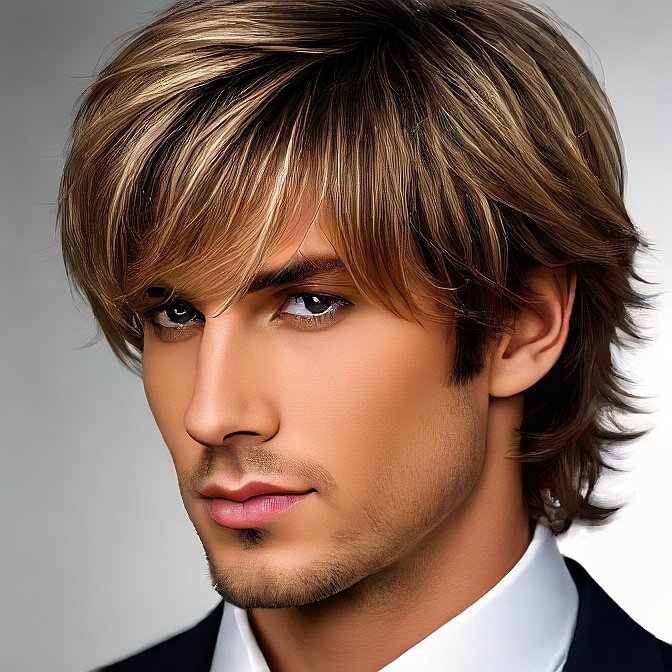
- Blow-Drying: Add volume to the roots of the hair with the help of a round brush, blowing it dry.
- Texturizing Beauty Products: The type of textures can be undertaken using mousses (lighter), sprays.
- Inviting Hairstyles to the Layer: Displayed curls, carelessly tossed, and misled appearance are all natural pinpoints of a layered hairdo.
Getting them cleaned and having their hair cut will keep them not stale, sick or dishevely until they are clipped.
Conclusion
Being beautiful with healthy and layered hair is not on the way you look, but how you take care of your hair. This is due to regular trims that ensure that your hair does not develop split ends, that your hair maintains its shape and that your hair appears as dynamic and energetic.
Trim Huft Hair: have a seasonal trim; apply some stuff to take care of your hair and put it in more shape. The only difference is that you either visit with the professional stylist, or have the home trim being taken care of, you know what kind of hair you have and you apply the initiative to take care of the maintenance, that you will have the right hair each year around.
Combining the professional trims along with effective hair self care and clever hair styling, not only will you have a beautiful crowning but a strong and healthy hair.
For more info: Click Here.
FAQs
1. How can I cut all the layered hair which is curly hair?
The curly hair has a tendency of shrinking with growth and uneven ends are more apparent. Experts recommend getting them cut after every 810 weeks to maintain their curly layers, prevent them from getting tangled and keeps their hair straight.
2. Can layered hair be done at home?
Yes, one can even do the trims at home with the appropriate tools and cut pieces and a little care in cutting even the minute ones. Nonetheless, to be confident of right angles and balance in most scenarios it is advisable that professional trims be used to trim it at least once or twice a year.
3. Does loss of layers of hair increase by shaving off?
The growth of the hair in the roots will not be spurred by trimming of the fingernails. The best part about it is that it prevents split ends and breakages and in this case your hair will look thicker, healthier and grows without losing the length because this will be broken off.